Introduction
Whether you own a luxury vehicle or an everyday car, protecting your vehicle’s exterior paint is no longer just a luxury—it’s a smart necessity.
Paint Protection Film (PPF) is one of the most effective and advanced ways to safeguard your car’s surface from scratches, environmental damage, and wear over time, all while preserving its showroom finish.
What Is Paint Protection Film (PPF)?
PPF is a transparent or matte polyurethane film that is applied to the most vulnerable parts of a vehicle, including the front bumper, hood, side mirrors, door edges, fenders, and more.
Its primary role is to act as an invisible barrier that shields the original paint from damage, without affecting the vehicle’s appearance.
Benefits of Paint Protection Film
1. Scratch and Minor Impact Resistance
PPF features a self-healing property, meaning light scratches and swirl marks can disappear with exposure to heat from the sun or hot water, keeping the surface smooth and flawless.
2. UV Protection
It prevents fading or discoloration caused by harmful UV rays, maintaining the paint’s original color and gloss for years.
3. Protection Against Environmental and Chemical Damage
PPF resists damage from bird droppings, tree sap, bug splatter, acid rain, road salts, and oils—preserving the integrity of the paint.
4. Preserves Resale Value
By keeping the original paint intact and flawless, PPF helps maintain the vehicle’s resale value. A well-protected car appeals more to potential buyers.
5. Aesthetic Options
PPF is available in both glossy and matte finishes, allowing car owners to enhance or customize their car’s look while ensuring protection.
How Is PPF Installed?
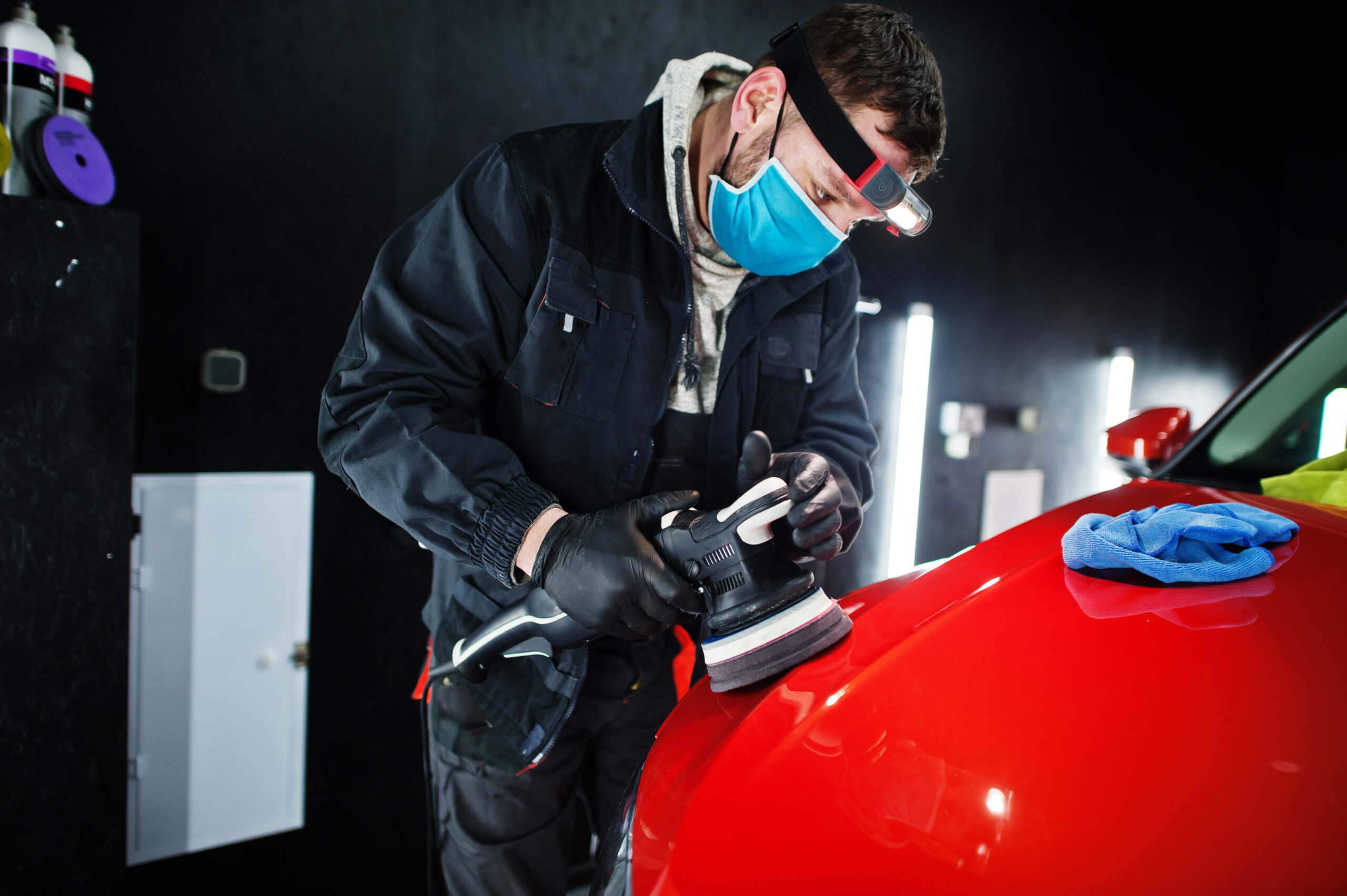
Installing PPF should always be done by trained professionals. The process includes:
- Thorough cleaning and surface preparation
- Precision cutting of the film using plotters or CNC machines
- Careful application using specialized tools and solutions
- Heat treatment to ensure proper adhesion and eliminate bubbles or creases
Proper installation ensures a seamless and durable finish.
PPF vs. Car Wrapping: What’s the Difference?
| Feature | Paint Protection Film (PPF) | Car Wrapping |
|---|---|---|
| Primary Purpose | Protection from scratches and wear | Aesthetic change only |
| Thickness | Thicker | Thinner |
| Finish | Clear or matte | Colored or patterned |
| Scratch Resistance | High | Low |
| Lifespan | 5 – 10 years | 2 – 4 years |
Frequently Asked Questions
Can PPF be removed later?
Yes, it can be removed without damaging the original paint, provided it was properly installed.
Does it affect the paint color?
No. It actually protects the paint from fading and oxidation.
How long does PPF last?
Depending on the quality and installation, PPF typically lasts between 5 to 10 years.
Can I wash my car after installing PPF?
Yes, but it’s recommended to wait at least 48 hours after installation. Avoid high-pressure washing for the first week.
Is PPF Worth the Investment?
While the initial cost of PPF may seem high, it’s a long-term investment that saves money on paint repairs, preserves the vehicle’s appearance, and adds real value when it comes time to sell the car. For anyone who values their car’s aesthetics and long-term durability, PPF is absolutely worth it.
Conclusion
Paint Protection Film has become a must-have for car enthusiasts and everyday drivers alike. It offers durable, invisible protection, maintains the car’s new look, and ultimately reduces maintenance costs.
Choosing a trusted installer that uses premium films and offers a proper warranty is essential to ensure the best results.

لا تعليق